
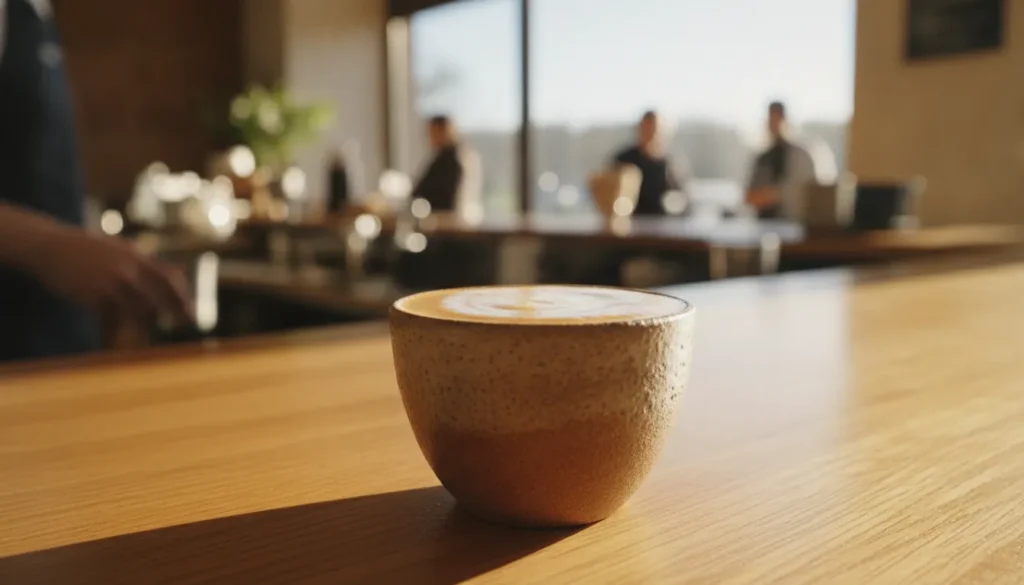
Espresso is a concentrated coffee drink made by pushing hot water under pressure through finely ground coffee. That brewing method creates a small, full-bodied serving, often topped with a lighter foam called crema. Brewed coffee uses a different process and usually fills a larger cup, so the two drinks can feel different in body, aroma, and intensity. Espresso is also the starting point for familiar cafe drinks such as lattes, cappuccinos, and Americanos.
Explore the Milkshakes & More coffee and espresso menu
What is espresso? It is coffee brewed by forcing hot water under pressure through finely ground coffee. This produces a concentrated drink that can be enjoyed on its own or used in other cafe beverages.
Whether you are new to coffee or choosing between a short shot and a milk-based drink, understanding the brewing method makes the menu easier to navigate. Start with the difference between espresso and regularly brewed coffee, then see how that distinction shapes the drinks you may order at an Irving cafe.
Table of Contents
ToggleWhat Is Espresso, and How Is It Different From Coffee?
Espresso is a concentrated coffee made by forcing hot water under pressure through finely ground coffee. The result is a small drink with a dense body, rather than a separate kind of bean or a flavor added after brewing. A typical serving is often around 25 to 30 milliliters, although serving sizes and recipes can vary between cafes. Learn more about the espresso brewing method.
Brewed coffee usually passes hot water through grounds over a longer process and is served in a larger volume. Espresso uses pressure, finer grounds, and a compact serving to create a different concentration and texture. Neither drink is automatically better. They simply offer different ways to experience coffee.
| Feature | Espresso | Brewed coffee |
|---|---|---|
| Brewing method | Hot water is pushed under pressure through compacted grounds. | Hot water extracts flavor from grounds through a brewing process such as drip brewing. |
| Grind | Usually finely ground, helping the grounds resist pressurized water. | Grind size depends on the brewing method and equipment. |
| Serving style | Small and concentrated, often about 25 to 30 milliliters. | Typically served in a larger cup. |
| Body | Generally thicker, with more suspended and dissolved coffee solids. | Usually lighter in body because it is diluted across a larger serving. |
| Caffeine context | More caffeine per unit of volume, but a single shot may contain less total caffeine than a full cup. | A larger serving can contain more total caffeine, depending on preparation and serving size. |
Caffeine is the comparison that most often needs context. The Mayo Clinic lists 63 milligrams for one ounce of espresso and 96 milligrams for eight ounces of brewed coffee in its reference table. Actual amounts can vary with preparation, brewing time, and other factors, so concentration and total serving caffeine are not the same measurement. See the Mayo Clinic caffeine reference for the cited serving comparison.
How Is Espresso Made From Ground Coffee to a Short Shot?
Espresso is made by moving hot water through finely ground, compacted coffee under pressure. The method creates a small, concentrated drink, but the exact recipe is not universal. Cafes adjust variables such as the coffee, grind, dose, water, and desired yield, so two espresso shots can be prepared differently and still follow the same basic process.
- Grind the coffee finely. Espresso uses a finer grind than many other brewing methods. The small particles create resistance, giving pressurized water time to pass through the coffee instead of running through it too quickly. The right grind depends on the coffee and the equipment.
- Fill and distribute the grounds. The ground coffee goes into a filter basket. It is spread as evenly as possible so water does not find one easy channel through the coffee. Uneven distribution can lead to parts of the grounds being extracted more than others.
- Tamp the coffee. Tamping compacts the grounds into a level bed. This supports more even water penetration during extraction. The amount of coffee and the tamping approach can vary by cafe and recipe. So a home setup should not treat one set of instructions as a universal rule.
- Apply hot water under pressure. The machine sends hot water through the compacted grounds. Pressure pushes water through the coffee in a short time, drawing out soluble compounds and suspended particles that contribute to espresso’s concentrated body.
- Collect and assess the shot. The liquid gathers in a small cup as the extraction proceeds. A commonly discussed extraction window is roughly 20 to 30 seconds, but that is a guide rather than a fixed requirement. The finished drink may show a darker coffee body with a lighter foam layer called crema. Its volume, timing, and appearance can change with the recipe and cafe.
That controlled combination of fine grounds, hot water, compacting, pressure, and time explains why espresso is a brewing method rather than simply a particular type of coffee bean. For a neutral overview of the method, see how espresso is brewed.
What Does Espresso Taste and Look Like?
Espresso is easy to recognize once you know what to notice. It is usually served in a small portion, with a concentrated body that feels thicker than coffee brewed through methods such as drip brewing. The flavor can be intense because more coffee solids are present in each sip, but intensity is not the same as a single fixed flavor. The final experience depends on the coffee, grind, water, equipment, and preparation choices.
Look for a dark body and lighter crema
A freshly prepared espresso may show two visible layers. The darker liquid below is the espresso body. A lighter, foamy layer on top is called crema. Crema can add a creamy impression to the mouthfeel, while the compact serving makes the drink look distinct from a full mug of brewed coffee. The layer may change as the drink sits, so appearance alone does not tell you everything about the cup.
Aroma and intensity change with preparation
Espresso can have a pronounced aroma, with notes that may remind a drinker of roasted coffee, cocoa, fruit, spice, or other scents. Those impressions are not a checklist that every espresso must match. Brewing method affects the aroma profile and other sensory qualities of coffee. A study indexed by PubMed found distinct aroma profiles between brewed coffee and espresso coffee, demonstrating why the same general ingredient can present differently when prepared in different ways.
Pressure, grind size, extraction time, serving size, and the balance of coffee and water all influence the result. That is why espresso may taste bold and concentrated in one drink, yet seem softer when combined with water or milk. If you are exploring options near Irving, you can review the Milkshakes & More coffee and espresso menu and choose a style that fits how you want to enjoy it.
Are Espresso Beans Different From Coffee Beans?
Not necessarily. Espresso is a brewing method, not a required type of bean. Coffee sold as “espresso beans” can be made from many of the same beans used for other coffee drinks. The label usually signals that the beans were selected, roasted, or described with espresso preparation in mind, but it does not create a separate botanical category. Espresso can be made with different bean types and roast levels.
Bean choice and roast level
The bean provides the starting flavors, while the roast changes how those flavors develop. A lighter, medium, or darker roast may be used for espresso. Each can produce a different balance of aroma, acidity, bitterness, and body. There is no single roast level that defines authentic espresso, so this choice should not be treated as a guarantee of quality or as a universal recommendation.
Grind size matters more than the label
Whole coffee beans must be ground before brewing. Espresso typically uses a fine grind because the compact grounds need to slow pressurized water as it passes through them. A grind intended for a different brewing method may allow water to move too quickly or too slowly in an espresso machine. That does not make the beans wrong. It means the grind and brewing method need to work together. Fine grounds help provide resistance during espresso extraction.
Brewing method completes the difference
Ground coffee becomes espresso when hot water is forced through it under pressure, producing a small, concentrated drink. The same underlying coffee bean can also be prepared as drip coffee, pour-over, or another style, with different results because the water, pressure, grind, and contact time change. In short, “espresso bean” is useful cafe language, but espresso itself is defined by how the coffee is brewed.
Is Espresso Stronger Than Coffee?
The answer depends on what you mean by stronger. Espresso tastes more intense because it is concentrated into a small serving. It has a higher amount of coffee compounds per ounce than a larger cup of brewed coffee, so its flavor and body can feel more pronounced. That does not automatically mean one espresso serving contains more caffeine than one serving of brewed coffee.
Concentration is not the same as total caffeine
A one-ounce espresso shot is much smaller than a typical mug of coffee. When you compare equal volumes, espresso generally has more caffeine packed into each ounce. When you compare the servings people usually drink, the larger brewed coffee may contain more caffeine overall.
The Mayo Clinic’s caffeine reference table lists 63 milligrams for 1 ounce of espresso and 96 milligrams for 8 ounces of brewed coffee. In that comparison, espresso is more concentrated, but the full serving of brewed coffee contains more total caffeine. These figures are reference values, not a guarantee for every shot or cup. Coffee preparation, brewing time, growing conditions, serving size, and the recipe used can all change the result. See the Mayo Clinic caffeine reference table for the source and serving assumptions.
Which one feels stronger?
Espresso often feels stronger because its flavor is concentrated and its texture is fuller. Brewed coffee is diluted with more water, creating a larger, lighter drink that may be sipped over a longer period. A drink made with multiple espresso shots can also contain more caffeine than a single shot. Milk, water, ice, or other additions change the drink’s volume and flavor without making the underlying espresso method different.
For a cafe order, choose espresso when you want a small, concentrated coffee experience. Choose brewed coffee when you prefer a larger serving that you can enjoy gradually. The best comparison is always based on the actual serving size and preparation, rather than the word “strong” alone.
Which Cafe Drinks Use Espresso?
Espresso can be enjoyed on its own, but it also acts as the concentrated coffee base in many familiar cafe drinks. The difference usually comes from what is added to the shot: water, steamed milk, foam, chocolate, cream, or ice cream. Drink names can vary slightly between cafes, so check the current menu when you are ready to choose.
Espresso, Americano, and milk-based classics
- Straight espresso: A small serving of concentrated coffee served by itself. It may be ordered as a single or double shot.
- Americano: Espresso combined with hot water. It keeps the flavor of espresso while creating a longer, lighter-bodied drink.
- Latte: Espresso mixed with steamed milk, usually with a relatively smooth, creamy texture.
- Cappuccino: Espresso paired with steamed milk and a more noticeable layer of milk foam. Compared with a latte, it generally feels lighter and foamier.
- Macchiato: Espresso marked or topped with a smaller amount of milk or foam. Cafe recipes may use the name differently, so the menu description is useful.
Sweet and dessert-style espresso drinks
- Mocha: Espresso combined with chocolate and milk for a coffee drink with a cocoa-forward flavor.
- Espresso con panna: Espresso topped with whipped cream. The cream adds a rich, sweet contrast to the concentrated coffee.
- Affogato: Espresso served over ice cream or gelato. It sits at the intersection of coffee and dessert, rather than being a standard brewed coffee drink. You can learn more about this espresso-based affogato dessert before deciding whether it fits your order.
Milkshakes & More lists espresso, Americano, latte, cappuccino, macchiato, and mocha among its coffee and espresso choices, while affogato appears with the cafe’s ice-cream desserts. Visit the Irving coffee and espresso menu for the current categories and options at the family-owned cafe in Irving, Texas. The menu can help you compare a simple shot, a milk-based drink, or an espresso dessert without assuming that one style is right for everyone.
How Do You Choose an Espresso Drink at a Cafe?
Start with the texture and intensity you enjoy, then decide whether you want the drink hot or iced. If you like coffee in a compact, direct form, choose a straight espresso shot. It has no added water or milk, so the coffee flavor remains the focus. An Americano adds water to espresso, creating a longer drink with a lighter body while keeping an espresso base.
Prefer a smoother, creamier cup? A latte combines espresso with more steamed milk, while a cappuccino generally has a stronger balance of espresso, steamed milk, and foam. A macchiato can suit someone who wants espresso with a smaller amount of milk. These names describe drink styles, but recipes and proportions can vary from one cafe to another.
For a sweeter direction, consider a flavored latte, mocha, or another drink with syrup. Ask about flavor and milk choices if you want to adjust the taste, but check the current menu for what is offered. If you prefer a cold drink, an iced espresso option can provide the same coffee base with ice and your chosen milk or flavor. A frozen preparation may feel more like a blended treat than a traditional coffee drink.
When choosing for a first visit, keep it simple: straight espresso for a concentrated taste, an Americano for a longer black coffee, a milk-based drink for a softer texture, or a flavored iced drink for sweetness and refreshment. Near 75039, you can review the Irving coffee and espresso menu before visiting Milkshakes & More at 925 W. John Carpenter Fwy., Suite 101, Irving, TX 75039. Menu items, sizes, prices, hours, and ordering options can change, so use the current page for details.
Review the current coffee and espresso menu before you choose a drink for your visit.
If you prefer to place an order online, you can also review the published online ordering destination and confirm availability and fulfillment details there.
Frequently Asked Questions
How is espresso different from coffee?
Espresso is coffee prepared by forcing hot water under pressure through finely ground coffee. Brewed coffee uses a different method, with water passing through grounds over a longer process. The result is usually a smaller drink with a more concentrated body, while brewed coffee is typically served in a larger cup.
Is espresso stronger than coffee?
That depends on what you mean by stronger. Espresso usually tastes more concentrated and intense, but total caffeine depends on serving size and preparation. A single espresso shot and a full cup of brewed coffee are not directly comparable without considering how much of each you drink.
How do you make espresso coffee?
Espresso is made by grinding coffee finely, placing the grounds into a filter basket, and using pressure to push hot water through them. The grind, dose, pressure, water, and extraction time can vary by cafe recipe, so there is not one universal setup.
Is an espresso just a coffee shot?
In everyday cafe language, an espresso can mean a small shot of concentrated coffee. More precisely, espresso describes the brewing method as well as the drink it produces. That shot can be served on its own or used as the base for drinks such as an Americano, latte, cappuccino, or mocha.
Ready to Explore Espresso in Irving?
Learning how espresso works can make it easier to choose a drink that fits your taste, whether you prefer a focused shot, added milk, or a smoother coffee combination. Review the current Milkshakes & More coffee options and choose what sounds right for your next Irving cafe stop.